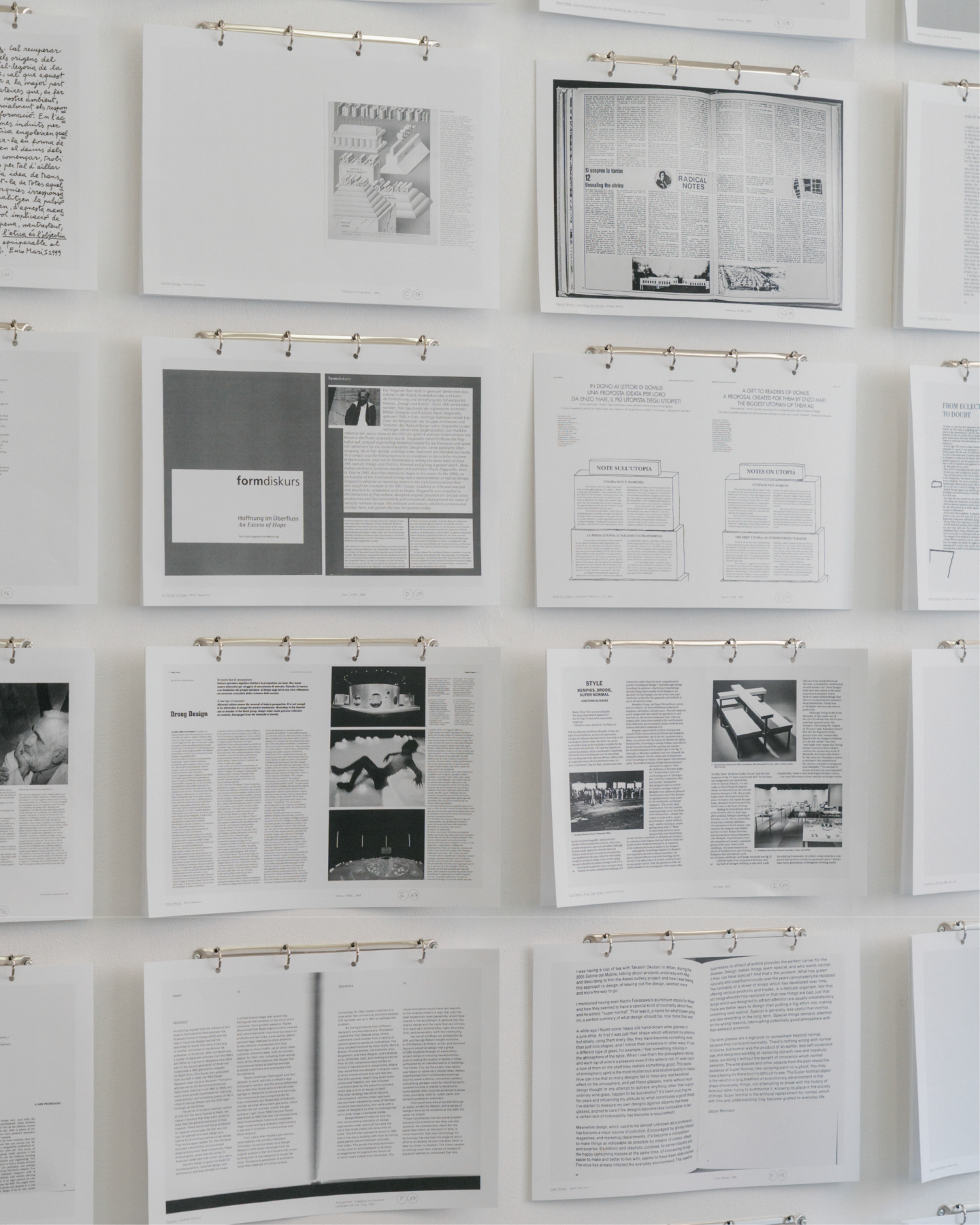
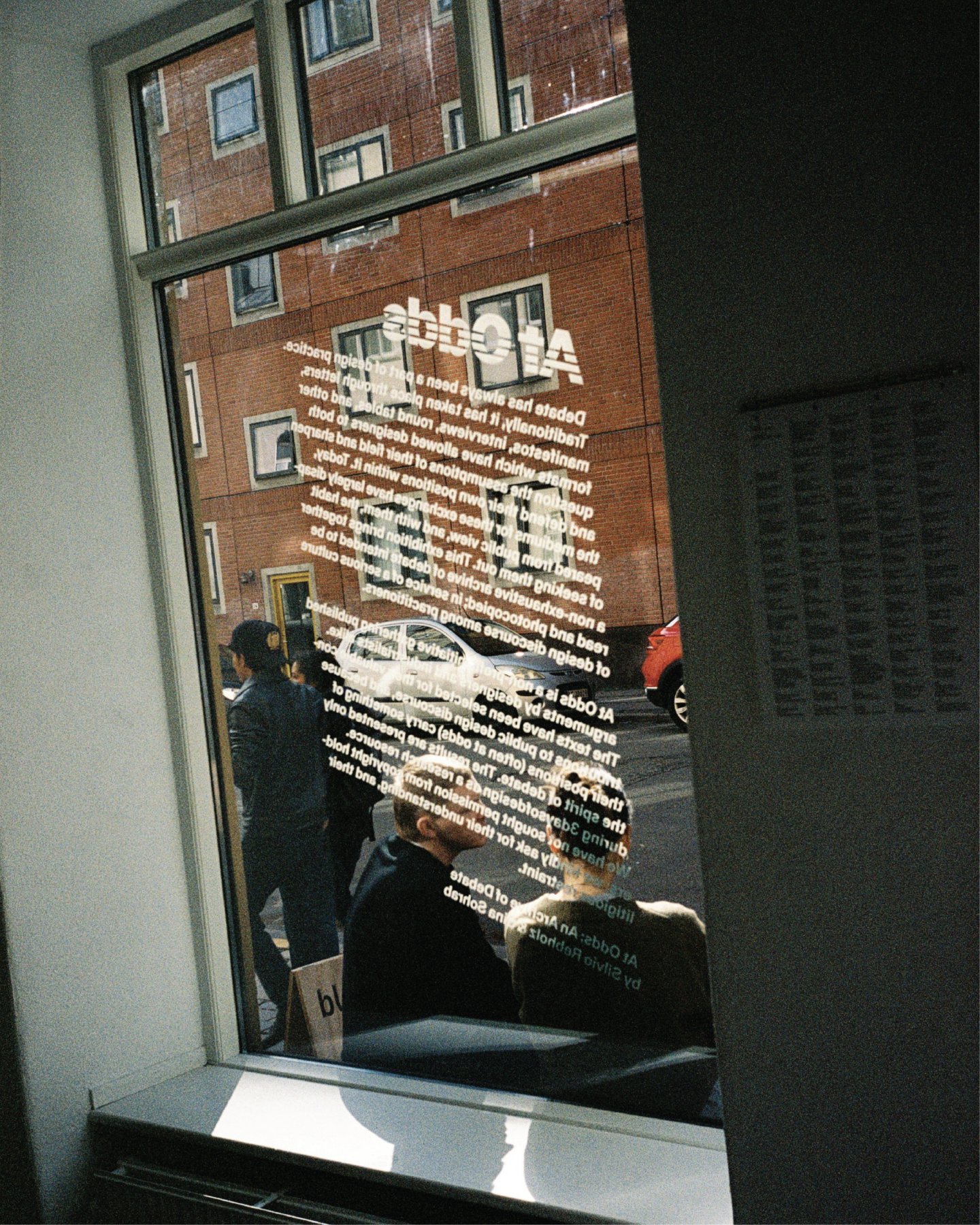
Debate has always been a part of design practice. Traditionally, it’s taken place through letters, manifestos, interviews, round tables, and other formats which have allowed designers to both question the assumptions of their field and articulate and sharpen their own positions within it. Examples vary widely: from Enzo Mari's oft-quoted "advertisement" for a young entrepreneur in Domus and Eugenio Perazza's lesser-known response, published a few issues later, to Abitare's Design Trials, an effort by Anniina Koivu to apply a judicial methodology to a design object and solicit a defense of it from its creator. While their formats diverge as much as the opinions expressed, what connects them is a desire to establish and defend a position publicly—the implication being that argumentation is inseparable from the physical manifestation of design.
The past few decades have seen a recession in this side of the practice. This can be charted anecdotally with a visit to any design library. Picking out a handful of magazines from successive decades leading up to the present yields two observations: first, that designers have begun to participate less and less in the intellectual life of the field; and second, that the formats for rigorous debate have receded in tandem. Which came first is a chicken and egg dilemma.
It would be tempting to attribute this decline to the collapse of print media's profitability, the rise of social media, or some other single convenient cause. But it seems the decline of intellectual argument in design has no single explanation. Contributing factors include the wavering of editorial standards in design publishing, notably seen in the conflation of marketing copy and critical writing; the relegation of design thinking to academia, siloed entirely from the realities of practice; and an image-obsessed culture that has come to separate even the photograph of an object from its physical reality. Whatever the cause, many of the institutions that once held the line (design magazines and museums among them) have either shuttered, rebranded as content platforms, or all but sunk into the soft loam of market-pleasing fluff. And any inherited critical traits from architecture (which still produces enough discussion and critique to splash around in all by itself) have long since been edited out in favor of navel-gazing fodder.
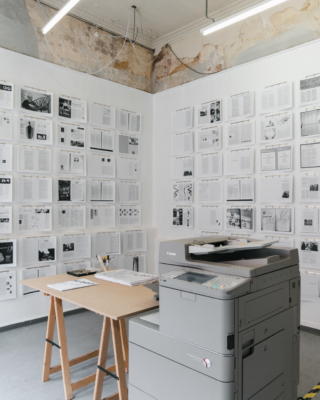
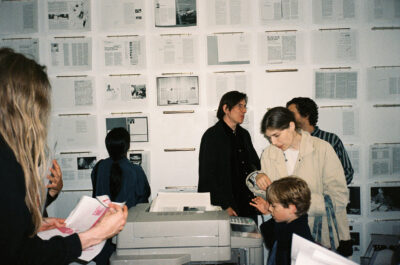
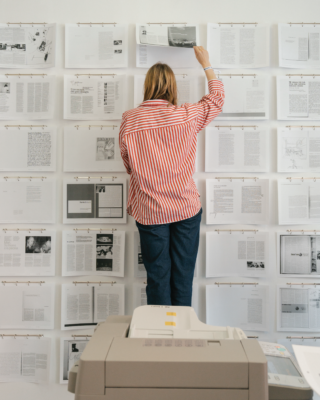
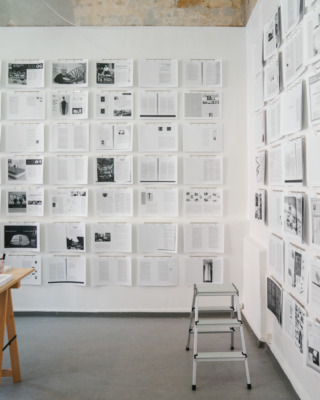
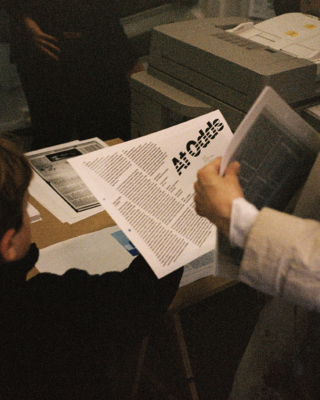
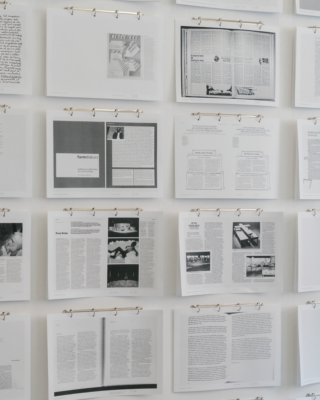
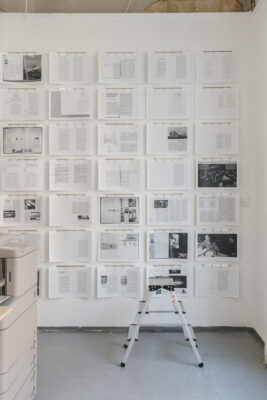
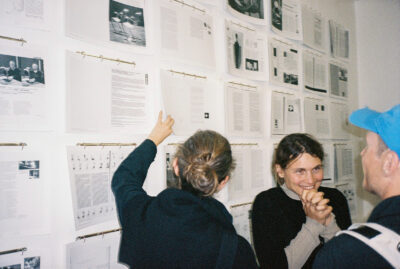
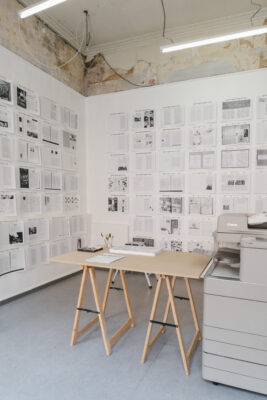
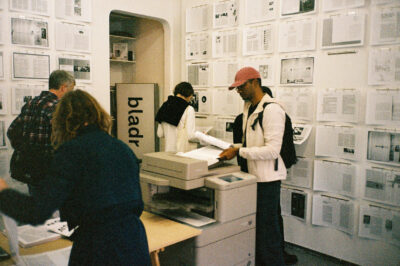
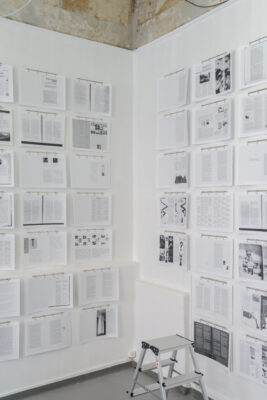
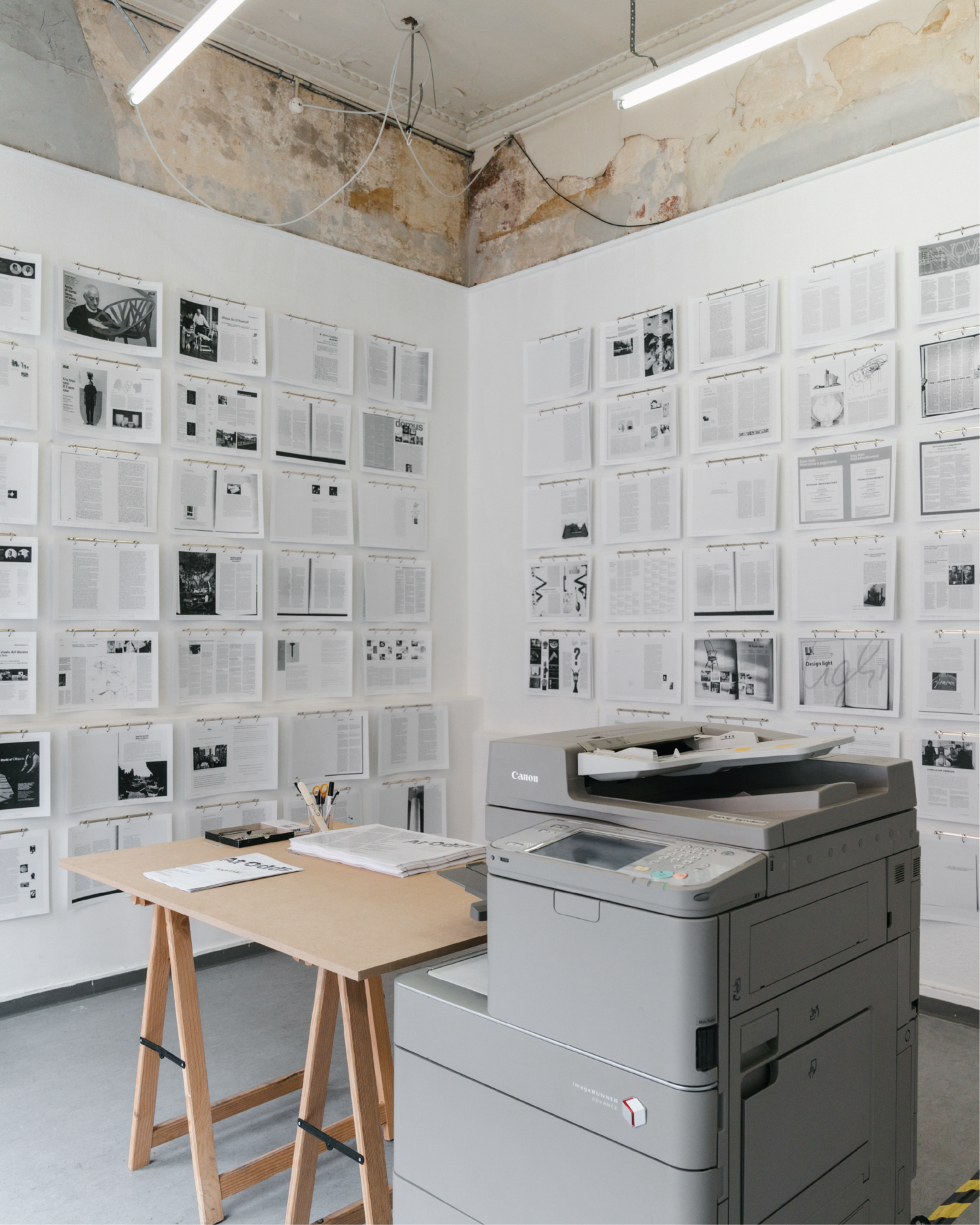
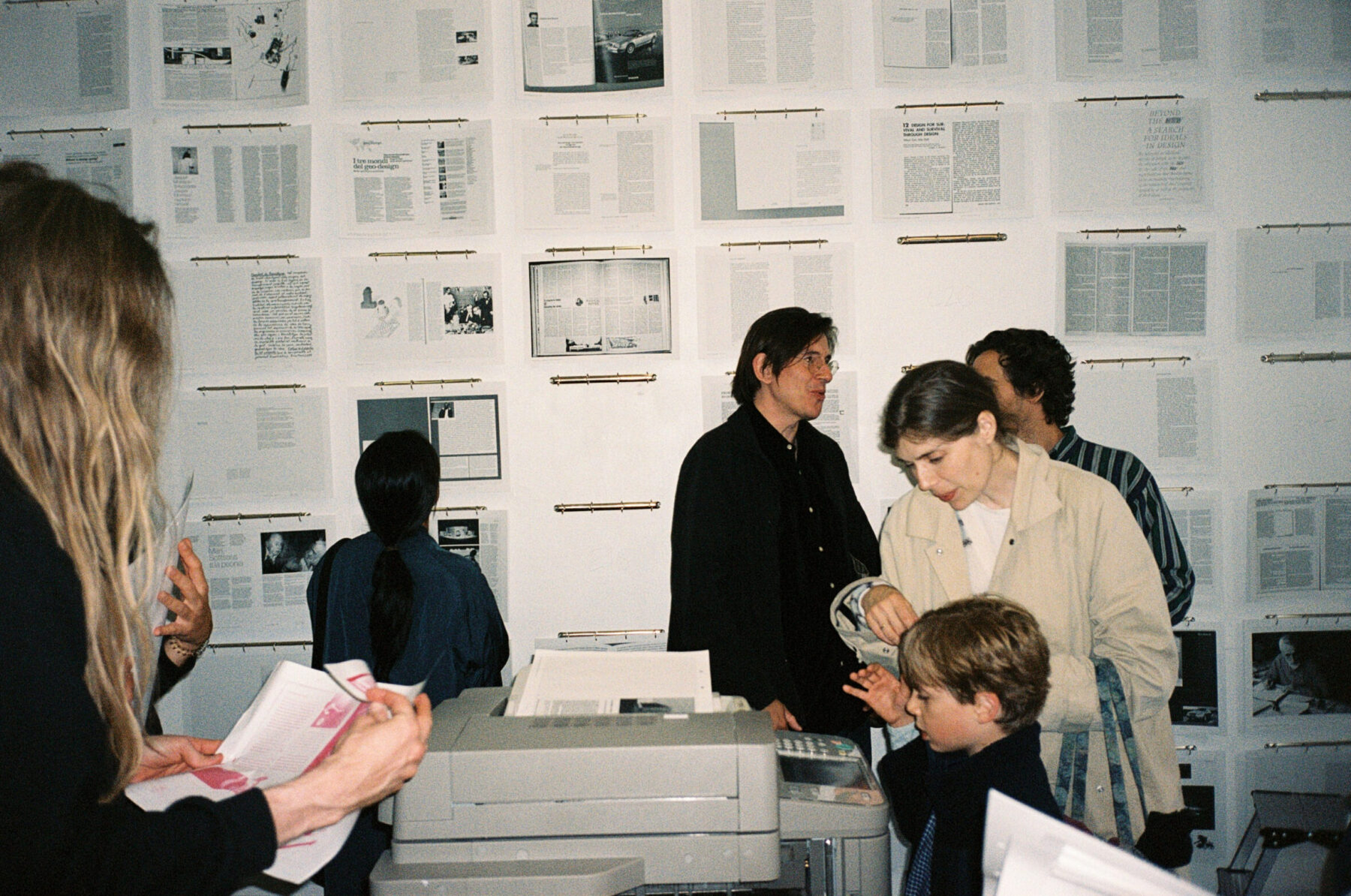
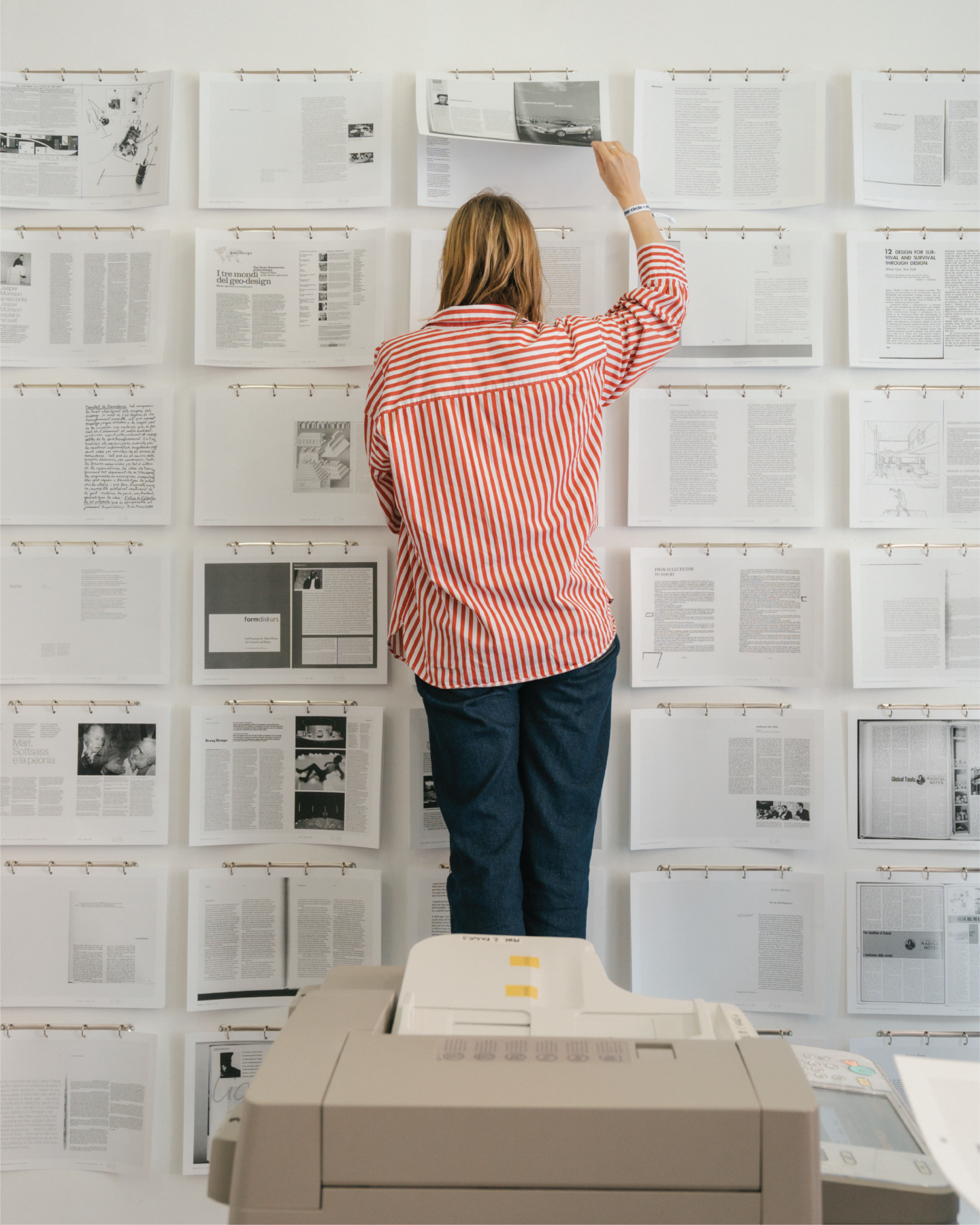
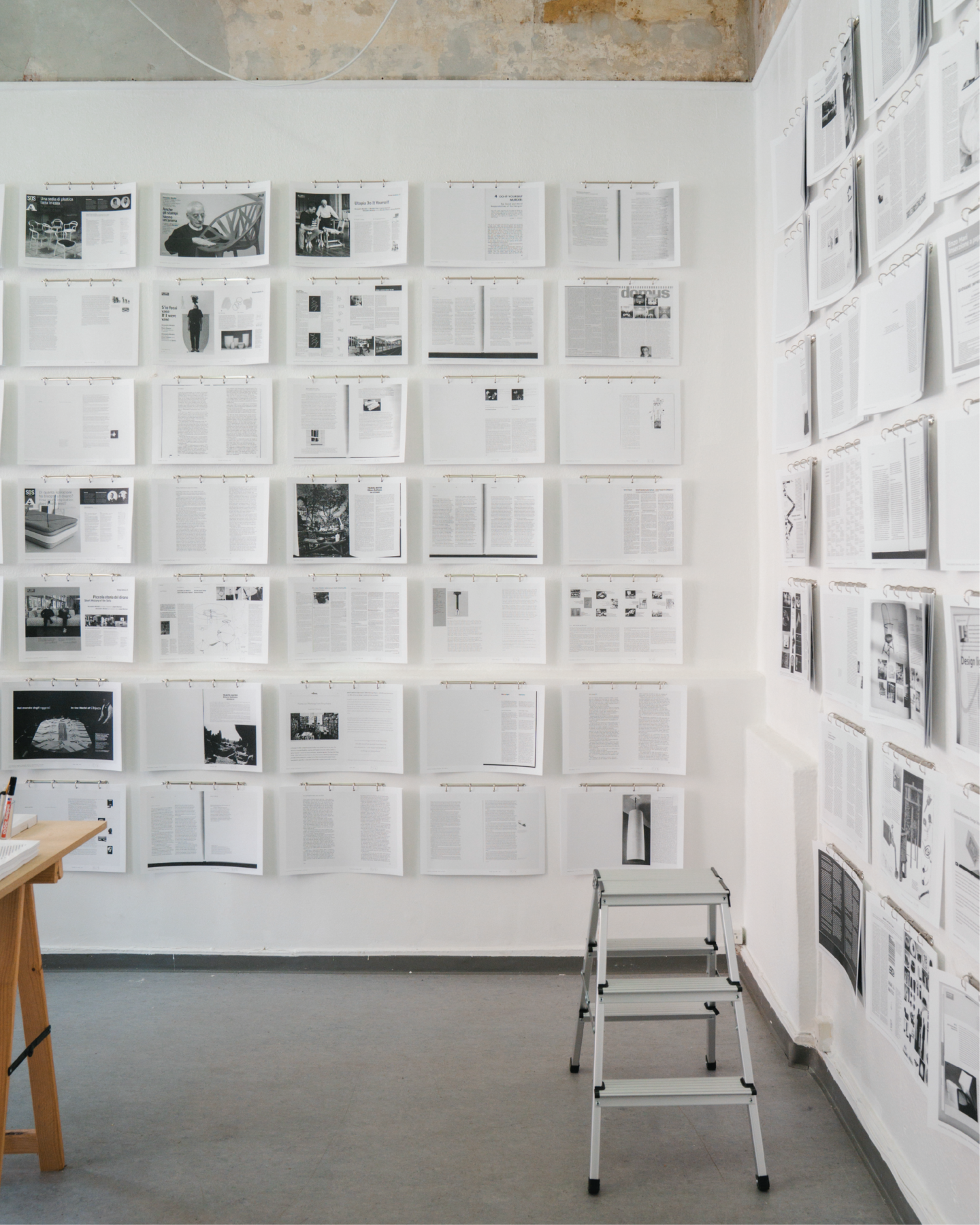
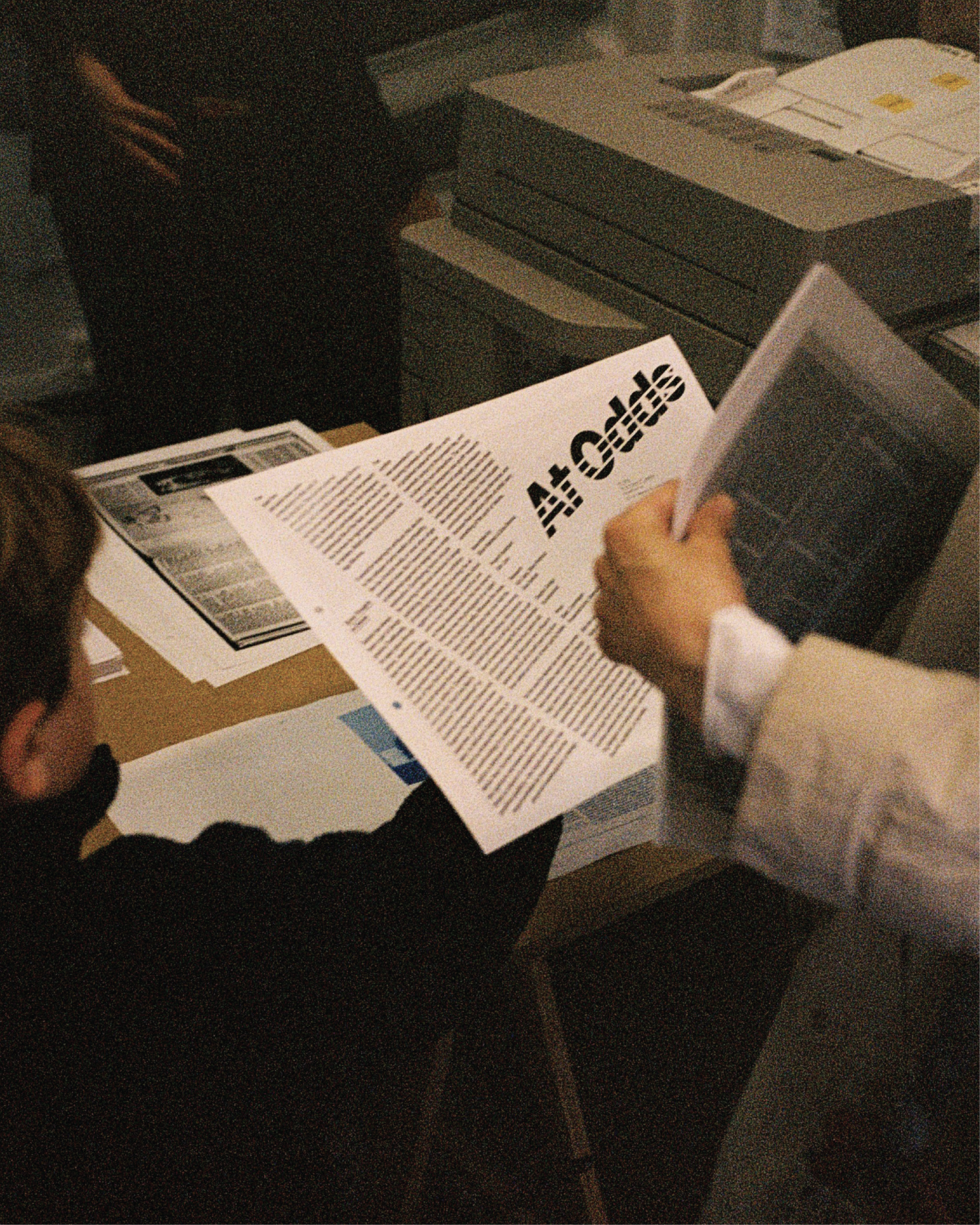
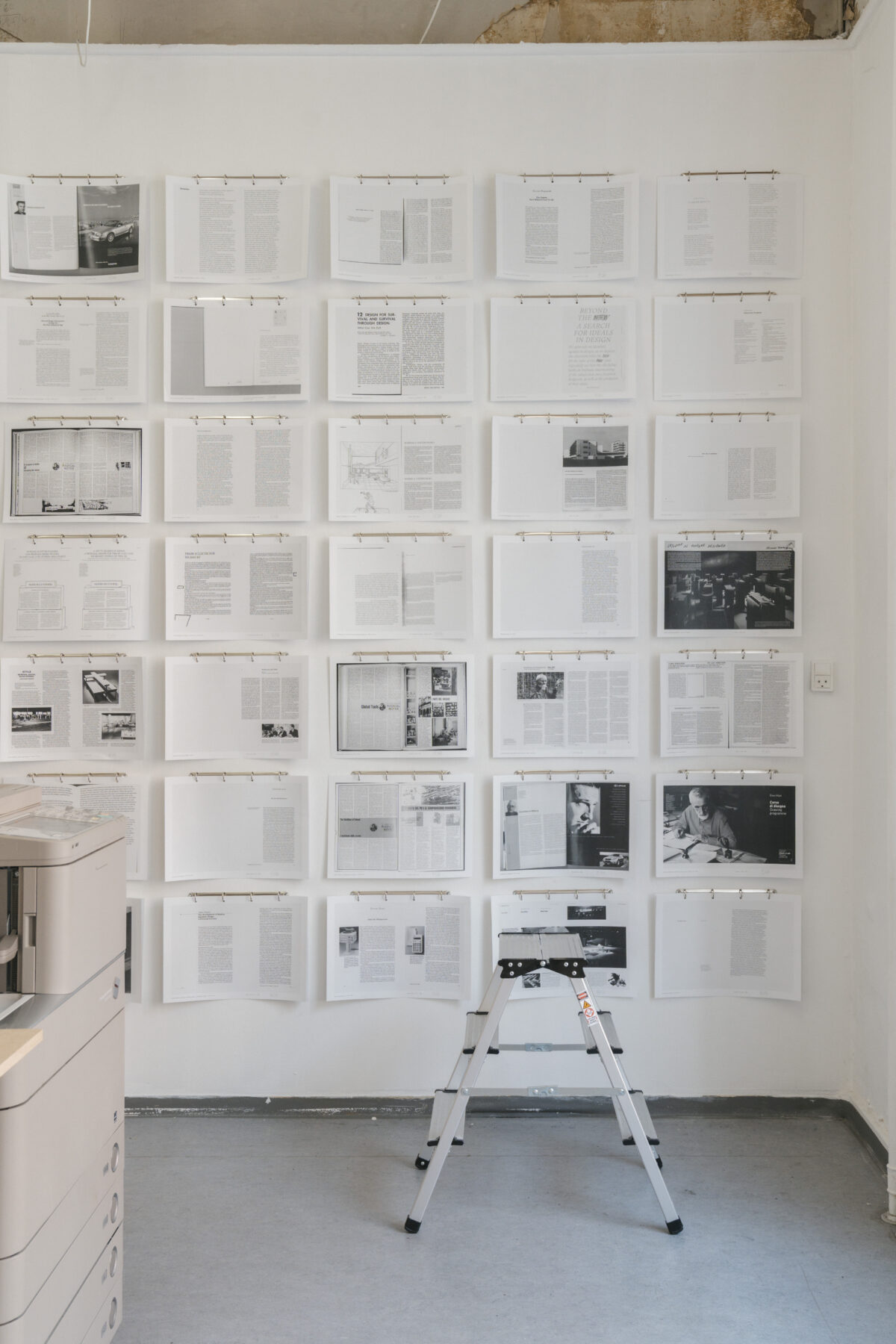
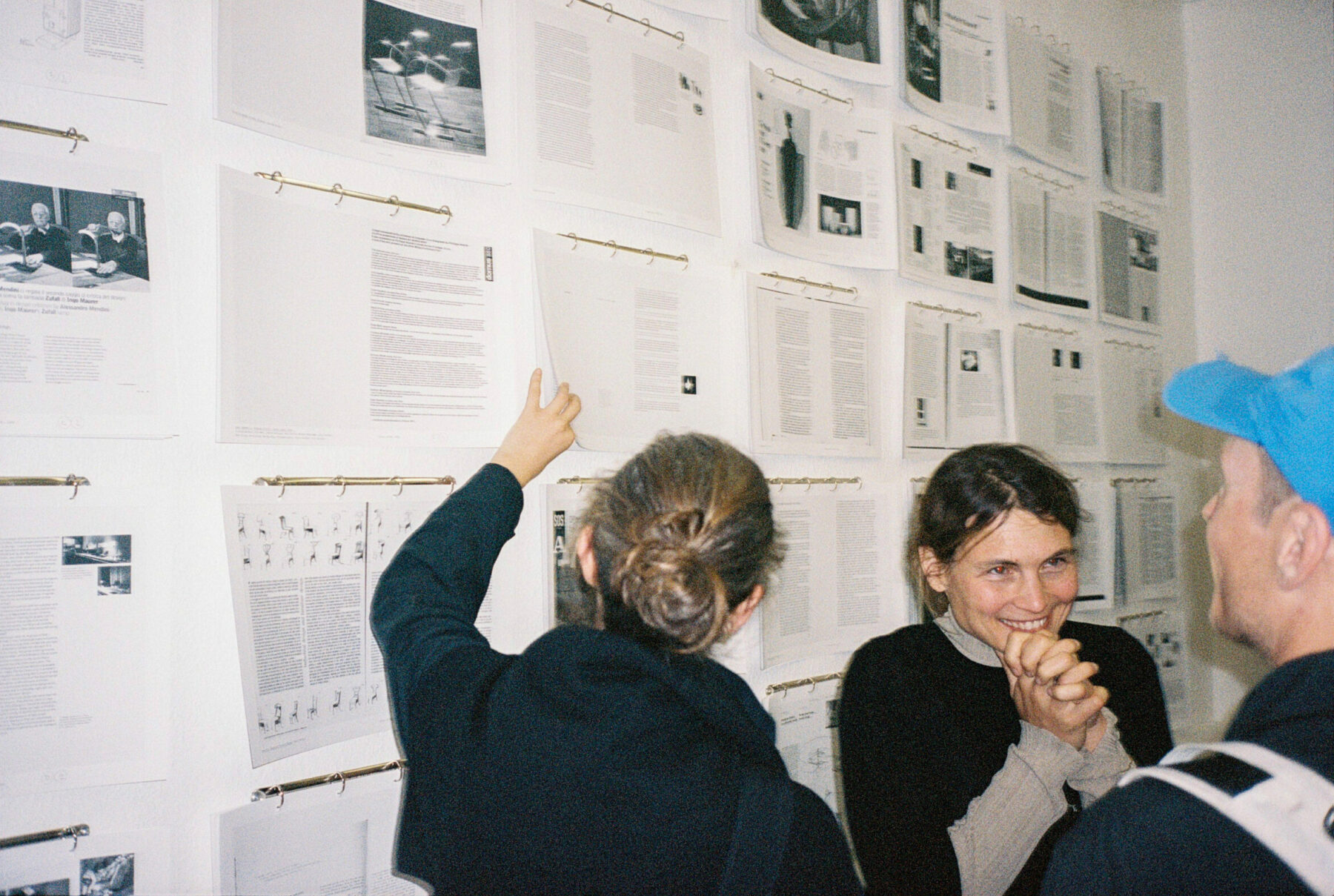
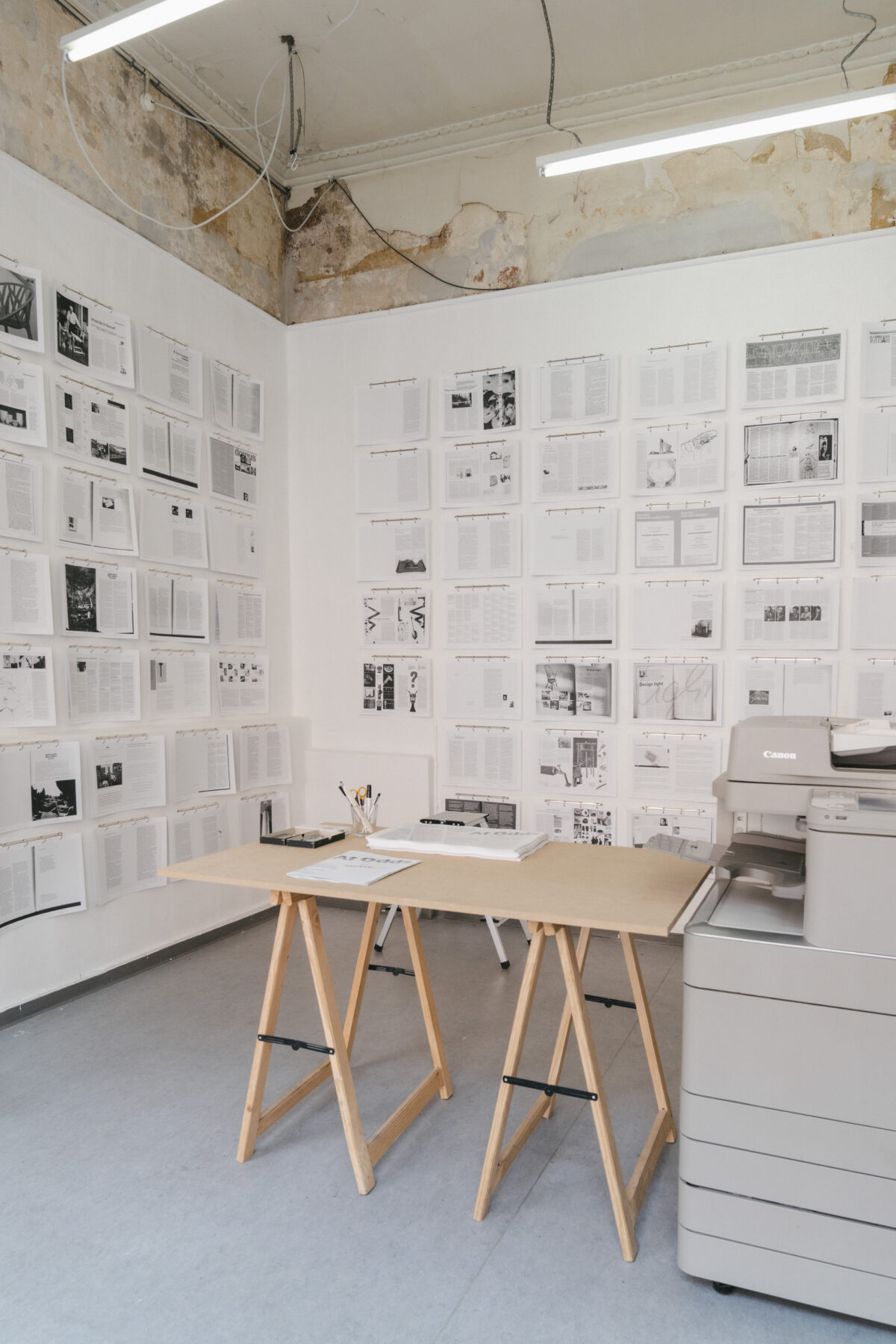
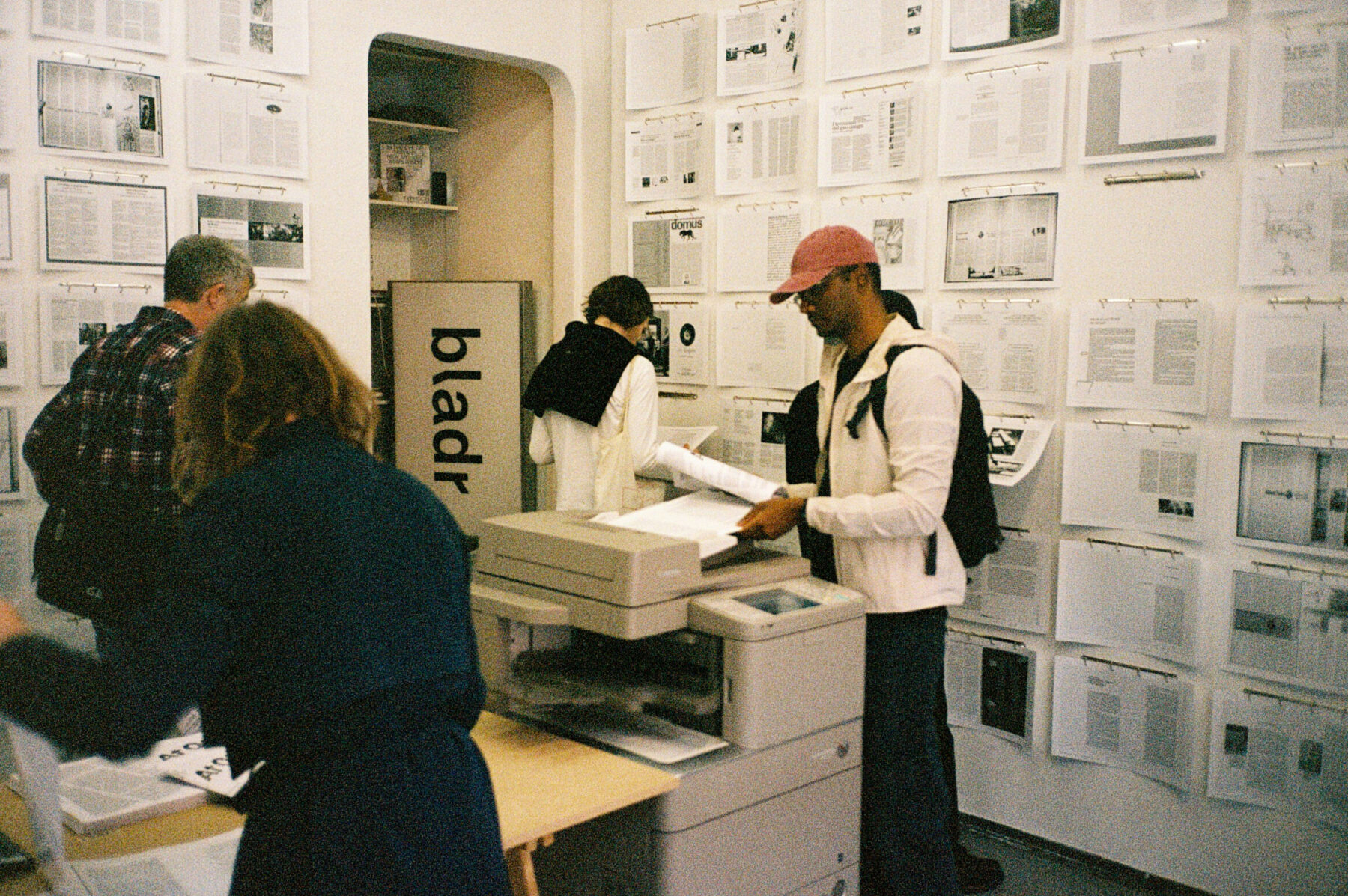
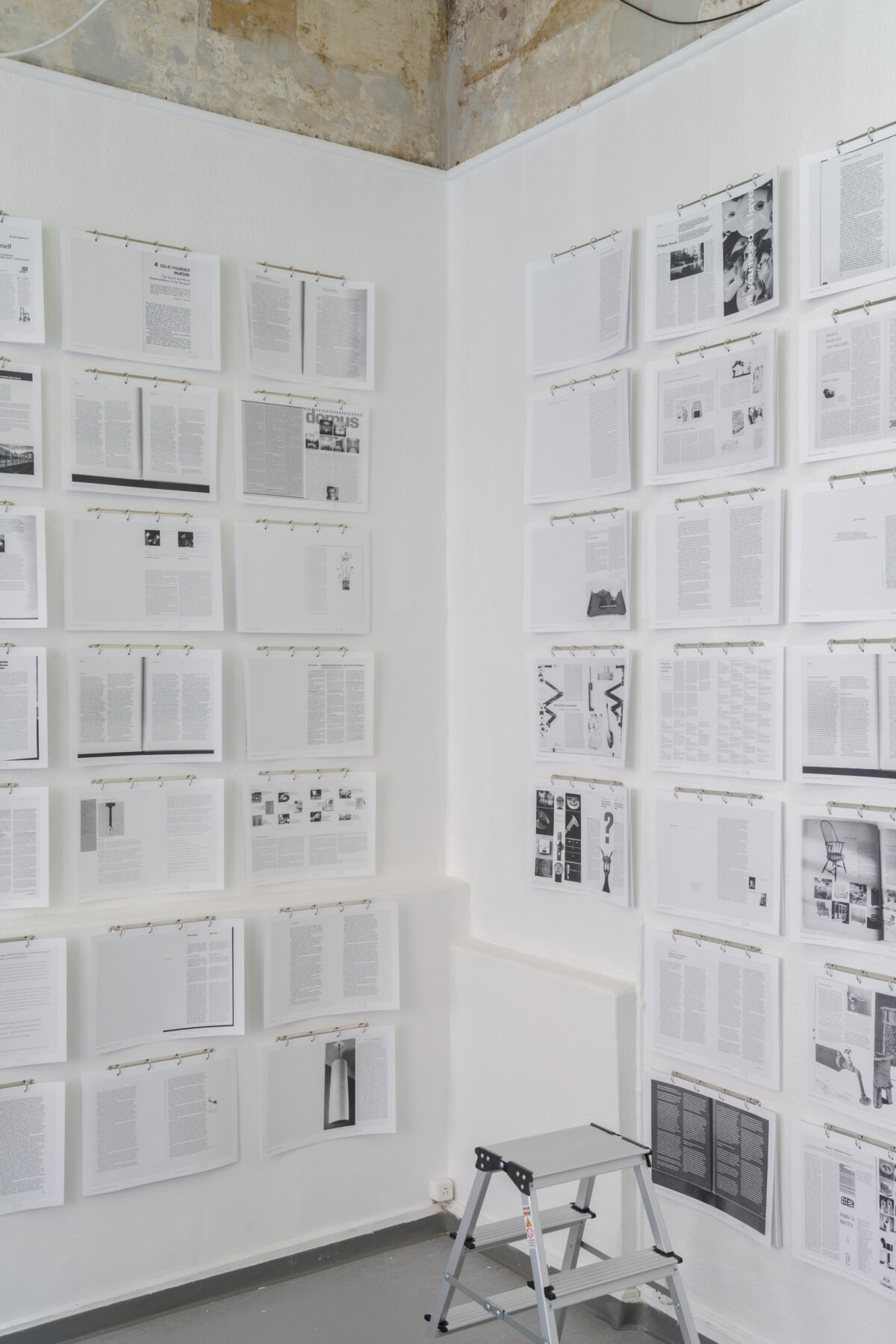
Yet the need for debate has never been greater. The responsibilities and conditions of design have never been more complex, and with that, never more in need of serious intellectual engagement. With this in mind, we have assembled the At Odds archive as a free resource for designers during 3daysofdesign. The intention is both to exemplify the conditions that once produced serious debate and to encourage their revival. Every text here involves someone with skin in the game: a working designer or an industrialist, rather than a theorist, academic, or journalist.
The archive was assembled by scouring hundreds of pages of published material from the early twentieth century to the present day, and is inherently non-exhaustive. The results form a (very) temporary non-profit research initiative. We have not sought permission from copyright holders; we kindly ask for their understanding, and their litigious restraint. We selected these texts for their valuable contributions to public design discourse, and because their positions (often at odds) carry something of the spirit of debate.